
The Historical Evolution of Online Gaming in Asia
The landscape of online gaming in Asia has transformed dramatically over the decades, influenced by cultural shifts, technological advancements, and consumer preferences. From the genesis of computer games to the mobile gaming phenomenon that dominates today, understanding this evolution not only highlights the region's adaptability but also reveals significant trends that continue to shape the industry. When exploring options, rokok88 provides comprehensive insights into this remarkable journey.
From Early Computer Games to Today
The early days of gaming in Asia can be traced back to the late 1970s and early 1980s, when personal computers began to emerge. Titles like "Space Invaders" and "Pong" captured the imaginations of gamers, but it was not until the 1990s that the industry began to take a form resembling what we see today. As technology improved, games became more complex, allowing for deeper narratives and more immersive experiences.
The introduction of CD-ROMs in the '90s allowed for larger games with better graphics and sound, paving the way for iconic titles such as "Final Fantasy VII" and "StarCraft." These games set benchmarks not just for gameplay but also for storytelling, which became a crucial element in player engagement.
The Rise of Internet Cafes and Their Impact
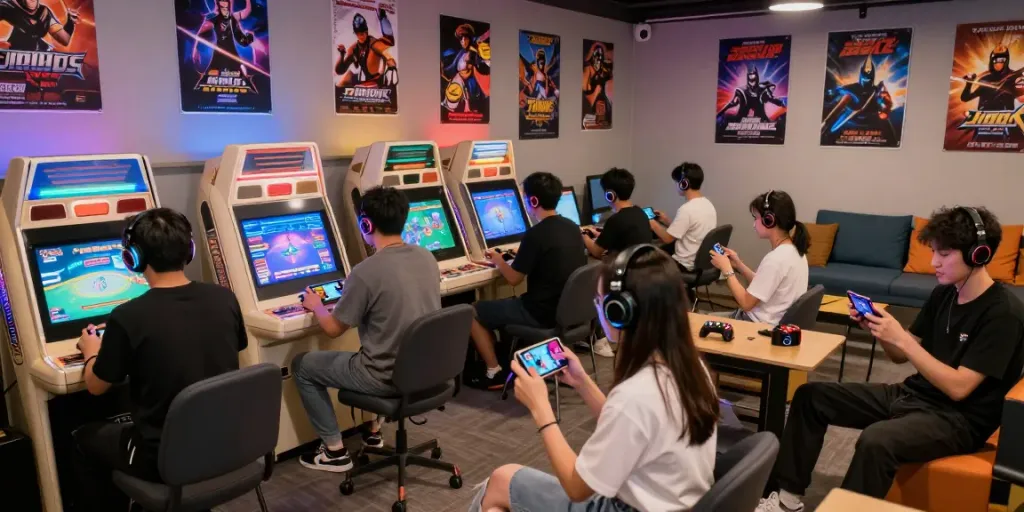
In the late '90s and early 2000s, internet cafes played a pivotal role in the gaming culture across Asia. These venues provided access to high-speed internet and a shared gaming experience that was not only social but also competitive. Titles like "Counter-Strike" and "DOTA" gained massive popularity in these venues, leading to a burgeoning community of gamers eager to connect and compete.
The rise of eSports also took root during this period, with early tournaments that attracted enthusiastic fans and significant sponsorship. Countries like South Korea became global leaders in eSports, creating professional leagues that inspired many other nations to follow suit.
Key Milestones in the Asian Gaming Industry
Breakthrough Titles that Shaped the Market
Several titles have not only dominated sales charts but have also influenced game design and culture within Asia. "League of Legends," launched in 2009, revolutionized the multiplayer online battle arena (MOBA) genre and solidified its place as a staple in eSports. Similarly, mobile games like "PUBG Mobile" and "Honor of Kings" brought a new audience to gaming, demonstrating the flexibility of mobile platforms.
Influence of Cultural Elements on Game Development
Asian game developers have intricately woven cultural elements into their designs, creating unique experiences that resonate with local and global audiences. For instance, games that explore themes from traditional folklore or incorporate local mythologies have found success not only in Asia but also in Western markets, where such narratives are often less familiar.
The Impact of Technology on Gaming
Advancements in technology have significantly influenced the gaming framework in Asia. The shift from PC to mobile gaming, driven by the widespread adoption of smartphones, has made gaming more accessible. Cloud gaming technology is poised to further change the landscape, allowing gamers to experience high-quality graphics without needing powerful hardware.
Understanding the Current Landscape of Online Gaming
Major Players and Platforms in 2026
As of 2026, the online gaming landscape is dominated by several major players, including Tencent, Sony, and NetEase, each continually innovating to retain their competitive edges. Games are more interconnected than ever, with cross-platform capabilities allowing players to engage across various devices seamlessly. This has led to an increase in community-driven content and user-generated modifications, enhancing player engagement and loyalty.
Trends Shaping the Future of Mobile Gaming
Mobile gaming trends indicate a significant shift towards augmented reality (AR) and virtual reality (VR) integrations, creating more immersive experiences. Additionally, subscription models are gaining traction, with gamers willing to invest in all-you-can-play services that offer a wide range of titles for a monthly fee.
User Demographics and Gaming Preferences
Understanding the demographics of Asian gamers is crucial for developers looking to succeed in this market. With a rising number of female gamers and an increasing average age of players, the focus is shifting towards creating inclusive content that appeals to a broad audience. The demand for social interaction within games is also growing, shaping titles that incorporate cooperative and competitive elements.
Challenges Facing the Gaming Industry in Asia
Regulatory Issues and Compliance
The gaming industry in Asia is not without its challenges. Regulatory issues can vary widely across countries, with some regions imposing strict rules on game content and monetization. Staying compliant while trying to innovate and engage users is a delicate balancing act for developers.
Market Saturation and Competition
As the mobile gaming market balloons, saturation becomes a significant concern. Developers are faced with the challenge of creating games that stand out in a crowded market, leading to intense competition that can drive innovation but also lead to burnout within the developer community.
Adapting to User Expectations and Tech Changes
With rapid technological advancements, keeping pace with changing user expectations is paramount. Gamers are increasingly expecting high-quality graphics, seamless gameplay, and engaging storylines, pushing developers to continually elevate their standards.
The Future of Online Gaming: Predictions for 2026
Emerging Technologies and Innovations
Looking ahead to 2026, several technologies are expected to reshape the online gaming landscape. Artificial intelligence is anticipated to play a more significant role in game design, from adaptive difficulty levels to personalized gaming experiences tailored to individual player preferences.
Potential Growth Areas in Online Gaming
Emerging markets in Southeast Asia are poised for growth, particularly as internet access continues to improve. Mobile payments and microtransactions also present new revenue streams, provided they are implemented thoughtfully to enhance rather than detract from the user experience.
Strategies for Gamers and Developers
For gamers, staying informed through community forums, gaming events, and streaming platforms is essential to grasp the latest trends and strategies. Developers, on the other hand, should focus on collaboration with players, leveraging feedback to adapt and improve their offerings continuously.
What Are the Trends for Gamers?
Upcoming trends for gamers include an increased interest in narrative-driven experiences and games that offer the ability to affect outcomes through player choices. Additionally, the social aspect of gaming is becoming more prominent, with gamers seeking experiences that foster connections.
How Can Developers Adapt to Changing Trends?
Developers need to embrace flexibility in their design processes, allowing for rapid iterations based on user feedback. Utilizing analytics to understand player behavior can also guide development strategies, ensuring that games remain relevant and engaging.
What is the Future of Mobile Gaming?
The future of mobile gaming looks bright, with consistent improvements in mobile hardware and internet speeds. As more players turn to mobile platforms for gaming, the focus will likely shift to optimizing games for touch controls and on-the-go gameplay.
How to Stay Updated with Gaming Developments?
Staying updated with the latest gaming developments requires engaging with various media, including gaming news websites, forums, and social media platforms. Subscribing to newsletters and following thought leaders in the gaming industry can help enthusiasts remain at the forefront of trends and innovations.